


SnackFic - Stories & Novels
Snack AI Inc.
I opened SnackFic expecting a quick way to fill a few spare minutes, and that is exactly where it makes its strongest first impression. This Books & Reference app from Snack AI Inc. focuses on romance and fantasy stories that are easy to pick up whenever I have a short break. It is free to install, carries a Teen age rating, and feels aimed at readers who prefer a steady stream of compact fiction rather than one long book demanding a large block of attention.
That convenience is appealing, but it also raises an important question: does a snack-sized reading app remain useful after the initial curiosity wears off? My answer is a qualified yes. I can see it becoming part of a daily reading routine, especially for someone who enjoys romantic tension, fantasy settings, and frequent story changes. However, it is not a complete replacement for a traditional ebook reader or a carefully edited novel. Its lasting value depends on whether the available stories continue to match your mood and whether you are comfortable with the app’s in-app purchase model.
What the first week feels like
The first few sessions are naturally easy to enjoy. The idea is simple: instead of deciding which full-length novel to commit to, I can open the app and look for a romance or fantasy story that fits the moment. That lowers the effort required to start reading. When I am waiting for an appointment, winding down before sleep, or taking a short break from work, a brief fictional episode feels more manageable than opening a long book and trying to remember where I left off.
The strongest early appeal is the combination of familiar genres and low commitment. Romance gives the reading experience an emotional center, while fantasy adds room for unusual settings, magical conflict, and dramatic stakes. Readers who already move between romantic fiction and fantasy novels will understand the attraction immediately. The app does not ask me to change my tastes; it packages them for quick access.
I also found that the short-session design changes how I choose a story. With a conventional ebook, I often judge a title by its cover, description, and reputation before committing. Here, I am more willing to sample something outside my usual preference because the time investment feels smaller. That makes the app useful for discovering what kind of romantic or fantasy premise catches my attention without buying or borrowing an entire book first.
Related News

Why WhatsApp Messenger Still Makes Everyday Communication Feel Easy

Jurassic World: The Game Is the Better Dino Tycoon for Strategic Players

Threads in Real Life: Who Should Join, Lurk, or Leave

How SHEIN Turned Shopping Into an Endless Content Feed

How to Make Fortnite Feel Smarter on Mobile

Should You Switch to Microsoft Outlook on Mobile?
A realistic everyday use case is a commute with unreliable free time. I might read for ten minutes, put the phone away, and return later without feeling that I have abandoned a major reading project. The same works for a parent who has only occasional quiet moments or for anyone who wants fiction during repetitive daily tasks. The real advantage is not simply short stories; it is the reduced mental cost of starting and stopping.
At the same time, I would not recommend judging the whole experience during one enthusiastic evening. The opening week benefits from novelty. Every new title feels like a possible favorite, and the act of browsing can be almost as entertaining as reading. The more useful test is whether I still want to open the app when there is no new discovery feeling left. That is where the difference between a passing download and a lasting reading habit becomes clear.
Who will connect with the format
This app makes the most sense for readers who enjoy emotional momentum. If you like relationships that develop through repeated encounters, secrets, jealousy, loyalty, or dramatic reversals, the format gives you many opportunities to find a suitable story. Fantasy readers may also appreciate having romantic plots placed in settings that are more imaginative than everyday life.
Gallery
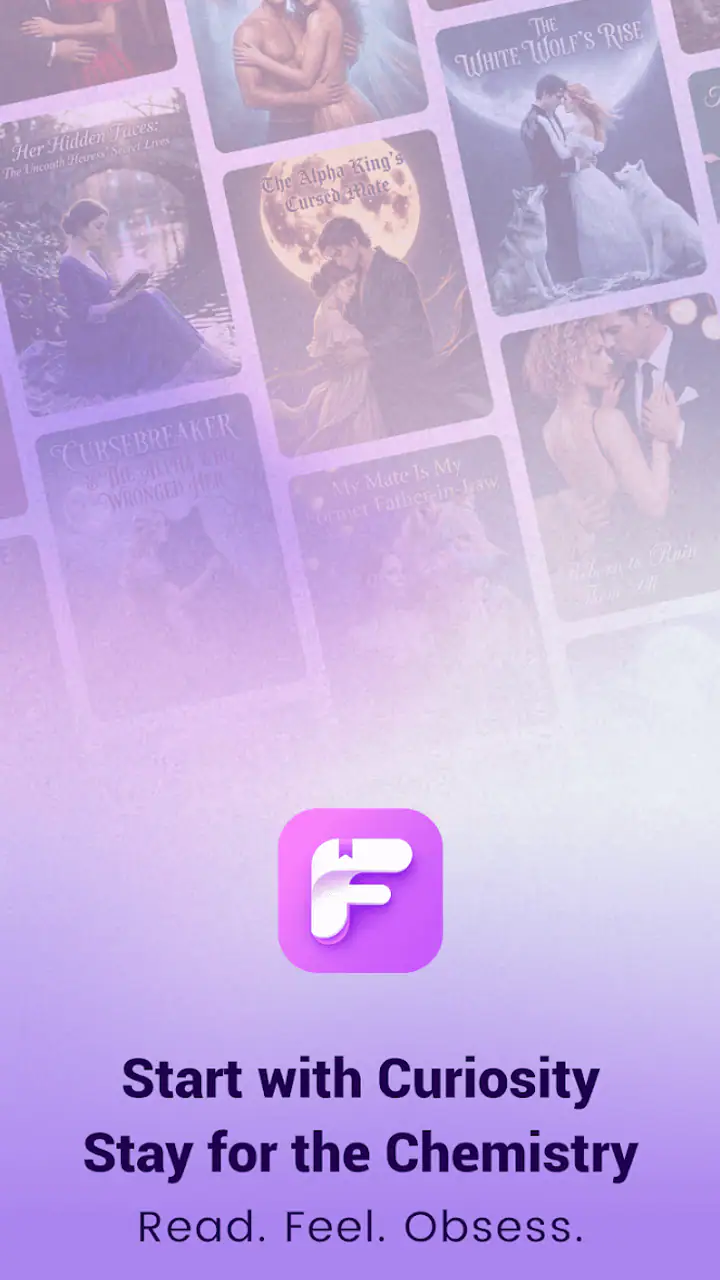
It is less suitable for someone who wants literary depth, extensive world-building, or a quiet, uninterrupted reading experience. A long novel can spend pages establishing a culture, a character’s inner life, or a complex political situation. A snackable reading format has to make its point quickly. That can be exciting, but it can also make some stories feel more focused on immediate momentum than on subtle development.
I would also hesitate to suggest it to a reader who dislikes serialized reading habits. If you prefer to finish a complete, edited book in a predictable format, browsing a stream of shorter fiction may feel distracting rather than relaxing. In that case, a standard ebook app, library app, or physical book is probably the better home for your reading time.
What remains useful after the novelty fades
After the first burst of exploration, the app’s value depends on routine. I found it more convincing when treated as a secondary reading space rather than my only library. A traditional novel is better when I want immersion, while SnackFic works better when I want a quick emotional or imaginative reset. That distinction matters because it prevents the app from having to compete with full-length books on their own terms.
Its month-to-month appeal comes from variety. Romance and fantasy cover broad territories, so the experience can change with my mood. One day I may want a relationship-driven plot; another day I may prefer a more escapist setting. That flexibility is more useful than a single fixed reading list, particularly for readers who lose interest when they stay with one genre or one long book for too long.
A practical habit is to keep the app associated with one specific part of the day instead of checking it constantly. I would use it during a coffee break, before turning off the light, or while waiting for transport. A defined reading window makes the app feel like a tool rather than another source of notifications and browsing. It also helps me notice whether I am actually reading or merely scrolling through choices.
Another useful approach is to treat the first few sessions as a personal filter-building exercise. I pay attention to the story openings that hold my interest, the character dynamics I abandon, and the fantasy elements that make me want to continue. Over time, that gives me a clearer sense of what to choose. The benefit is subtle: the app becomes less about accepting whatever appears first and more about recognizing my own reading patterns.
There is also a trade-off between variety and attachment. A large selection can keep the experience fresh, but switching too often can prevent any individual story from becoming memorable. I get more lasting value when I allow a promising story enough time to establish its characters instead of abandoning it at the first slower passage. Conversely, I do not think every title deserves unlimited patience simply because it is available. The low-commitment format should make it easier to move on when a story clearly is not working for me.
How it compares with ordinary reading alternatives
Compared with a standard ebook reader, SnackFic is more convenient for sampling and short sessions, but less satisfying when I want the physical sense of progress that comes from completing a substantial book. Ebook apps usually give me access to books I deliberately selected, while this kind of story app encourages discovery inside the service itself. That can be refreshing, although it also means I spend more time deciding what to read.
Compared with a library app, it is likely to feel more immediate. Library borrowing is excellent when I want established books and a clear ownership-free reading arrangement, but it can involve searching, waiting, or managing loans. SnackFic is better suited to instant browsing. The compromise is that readers who value acclaimed authors, extensive catalog information, or a familiar book ecosystem may find the library route more dependable.
Compared with free online fiction platforms, the main question is consistency of experience. Open platforms can offer enormous variety, but quality and presentation may differ widely from one story to another. SnackFic’s focused identity around romance and fantasy gives me a clearer reason to open it. Still, readers who enjoy community interaction, fan writing, or very specific niche genres may find broader platforms more rewarding.
The app is free to download, which makes trying it low risk. However, in-app purchases range from forty-nine cents to ninety-nine dollars and ninety-nine cents per item. That is a wide span, so I would recommend deciding in advance how much I am comfortable spending rather than making repeated small purchases without noticing the total. The free entry point is useful, but it should not be mistaken for an entirely cost-free long-term reading plan.
The maintenance burden of keeping it in my routine
Any reading app that depends on frequent discovery asks for a little maintenance. I need to remember which stories I started, decide whether they still interest me, and resist opening the app only to browse. That burden is not necessarily a flaw, but it changes the way I use the service. If I want a perfectly organized personal library, a conventional ebook collection is easier to understand.
My best workflow is deliberately simple. I choose one or two stories that genuinely interest me, read them during a fixed daily window, and avoid starting several more until I know whether those first choices deserve attention. This reduces the feeling of having a crowded reading queue. It also makes it easier to tell whether the app is providing real entertainment or merely encouraging endless selection.
Purchase awareness is part of maintenance too. Because the app is free to start, the transition from casual reading to paid access can feel gradual. I would check the cost shown at the moment a purchase is offered and keep track of how often I am paying for continuation. The right choice depends on personal budget and reading speed. Someone who reads occasionally may find occasional spending reasonable, while a heavy daily reader should compare the ongoing cost with a subscription, library access, or complete ebooks.
The current version is 1.3.6, and the app requires at least Android 7.1. That makes it accessible to people using older Android devices, although I would still keep the app updated when updates are available. A reading service is only convenient if it remains comfortable to open and use over time. If an older phone struggles with any modern app, that practical limitation can matter more than the story selection itself.
Its public reception suggests that many people find the concept worthwhile: SnackFic holds a 4.1 average from around 9,100 ratings, with more than 500 written reviews. I treat that as useful context rather than a guarantee. A reader who loves romantic fantasy may have a very different experience from someone looking for nonfiction reference material, literary classics, or a single complete novel. The category fit matters more to me than the headline number.
Where reading fatigue can appear
The first source of fatigue is repetition. Romance and fantasy both rely on recognizable patterns, and those patterns are part of the fun. But if I read several stories with similar conflicts, character roles, or dramatic turns in a row, the emotional effect weakens. The solution is not necessarily to uninstall the app; taking a break or alternating with a different kind of book can restore the sense of discovery.
The second issue is fragmented attention. Short reading sessions are convenient, but they can train me to expect constant movement. When I return to a slower story, I may feel impatient even if the writing is building toward something worthwhile. This is one reason I would pair the app with longer-form reading rather than let it replace it completely.
Browsing can become tiring as well. Choice feels helpful at first, yet too many possible stories can turn reading into selection work. I have to be willing to stop looking and actually read. A good personal rule is to choose based on one clear reason—a character setup, a fantasy premise, or a relationship conflict—and then give that choice a fair trial instead of continuing to search for a perfect option.
Payment friction is another potential weakness. The free starting point makes experimentation easy, but readers who become invested in a story may feel pressured to pay to maintain momentum. That is not automatically a reason to avoid the app, but it is a reason to approach it with boundaries. I would not begin a story expecting that every future chapter will remain free, and I would avoid spending simply because I dislike stopping at an inconvenient moment.
The Teen rating is also worth considering before sharing the app with younger readers. It signals that the intended audience is not very young children, so I would not treat it as a general family reading app. Adults choosing it for a teenager should still consider whether the themes and presentation match that reader’s maturity and personal comfort.
My long-term verdict
SnackFic earns a place on my phone when I view it as a flexible companion for romance and fantasy reading, not as a replacement for every other way of reading. Its lasting strength is the ease of returning to fiction during small gaps in the day. I can use it when a full book feels too demanding, and I can explore new story ideas without making a major commitment at the start.
Whether it stays installed depends on discipline. If I keep opening it only to browse, the novelty fades quickly. If I choose a manageable reading routine, monitor purchases, and accept that some stories will not suit me, it has a better chance of becoming a regular habit. Its long-term value comes from fitting around real life, not from trying to replace a personal library.
I would recommend it to readers who specifically enjoy romance and fantasy, want short or easily interrupted sessions, and are comfortable deciding how much optional content is worth paying for. I would skip it if my priority were complete novels, deep reference material, literary prestige, or a strictly predictable cost. Those readers will likely be happier with ebooks, library borrowing, or a conventional reading app.
For me, SnackFic is most successful as a low-pressure doorway into fiction. It makes starting easy, offers enough genre focus to feel purposeful, and works well in moments when I have time to read but not enough time to settle into a long book. The experience is not perfect: repetition, browsing fatigue, and possible purchase costs can weaken its appeal. Even so, if romance and fantasy are already the stories I reach for, I think it deserves a trial—and it can earn lasting space if I use it as a small, intentional part of my reading life.
FAQs for SnackFic - Stories & Novels
What is SnackFic - Stories & Novels?
SnackFic - Stories & Novels is a mobile reading app focused on short, serialized fiction designed for quick reading sessions. It typically offers romance, drama, fantasy, mystery, and other popular genres, with stories divided into manageable chapters. The format is convenient for reading during breaks, although the available catalog, language options, and specific features may vary by device, region, and app version.
Is SnackFic - Stories & Novels free to download and use?
The app may be available to download for free, but free access does not necessarily include every chapter or feature. Many serialized fiction platforms use advertisements, in-app purchases, virtual coins, subscriptions, or timed chapter unlocks. Before reading extensively, users should review the pricing details shown in the app store and inside SnackFic, especially if several chapters require payment to continue a story.
Does SnackFic require an internet connection?
SnackFic generally needs an internet connection to download stories, load chapters, synchronize reading progress, display advertisements, and process purchases. Some content may be temporarily available through in-app caching or offline features, but users should not assume that every novel can be read without connectivity. Availability of offline reading can also depend on the account, title, subscription status, and current app version.
What types of stories are available on SnackFic?
SnackFic is aimed at readers who enjoy quick, episodic novels, with the catalog commonly centered on genres such as contemporary romance, billionaire romance, werewolf fiction, fantasy, revenge, suspense, and family drama. Because stories are released in installments, some titles may remain unfinished or update gradually. Readers should check descriptions, ratings, tags, and content notices before starting a novel.
Is SnackFic suitable for children and teenagers?
Parents should check the app’s current age rating and review individual story descriptions before allowing younger readers to use SnackFic. Serialized fiction apps can include mature themes, romantic situations, violence, emotional abuse, or suggestive language, even when the application itself appears simple. It is also important to consider in-app purchases and account controls, since paid chapter systems may create unexpected charges.
Pros
- Large catalog of short stories and serialized novels
- Easy-to-use interface for browsing by genre
- Personalized recommendations help discover new fiction
- Reading progress syncs across supported devices
- Regularly updated content keeps the library fresh
Cons
- Some chapters may require coins or in-app purchases
- New releases can be limited by wait timers
- Story quality varies between different authors
- Offline reading may not be available for every title
- Frequent notifications can feel intrusive


